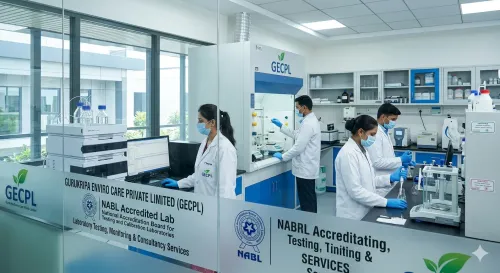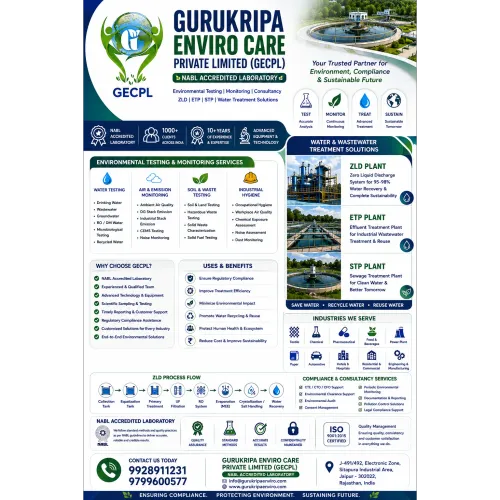
Environmental Compliance in the Textile Industry refers to the adherence to environmental laws, regulations, standards, and other requirements (such as permits and codes of practice) that apply to textile manufacturing processes. This industry is one of the largest consumers of # water and # energy and generates significant amounts of # pollution and waste, so regulatory compliance is critical.
Key Environmental Compliance Areas in the # Textile Industry
# Water Pollution Control
# Effluent Treatment Plants (ETPs): Mandatory for facilities to treat # wastewater before discharge.
# Zero Liquid Discharge (ZLD) systems: Increasingly required, especially in water-scarce regions.
# Compliance with discharge norms: # pH,# BOD, # COD, # TSS, and color must meet regulatory limits.
# Air Emissions Management
# Emissions from # boilers, # dyeing machines, and fabric dryers must comply with local # air quality regulations.
# Use of low-VOC chemicals and equipment with # air pollution control devices like scrubbers or electrostatic precipitators.
# Chemical Management
• Restriction of # Hazardous Substances (RoHS) and Registration, Evaluation, Authorisation and Restriction of Chemicals (REACH) # compliance.
# Adoption of ZDHC (# Zero Discharge of Hazardous Chemicals) guidelines.
• Proper storage, handling, and disposal of dyes, solvents, and auxiliaries.
# Solid Waste Management
• Segregation and proper disposal or recycling of textile scraps, sludge from # ETPs, and packaging waste.
# Waste-to-energy or co-processing options encouraged where applicable.
# Energy Use and Carbon Footprint
# Monitoring and reduction of # greenhouse gas emissions.
• Use of energy-efficient equipment and renewable energy sources.
# Compliance with ISO 50001 (Energy Management Systems) in some jurisdictions.
• Water and energy conservation strategies, including reuse and recycling.
# Life cycle assessments (LCA) for product sustainability.
# Compliance Documentation & Reporting
# Environmental Management Systems ( # EMS), e.g., ISO 14001 certification.
• Maintenance of compliance records,# monitoring data, and # audit reports.
# Reporting to environmental regulatory bodies as required (e.g., # CPCB/ # SPCB in India,# EPA in the US).
• International:
• EU REACH, GOTS (Global Organic Textile Standard), OEKO-TEX®
• Greenpeace Detox Campaign
• National/Regional:
# India: CPCB/SPCB norms,# EIA Notification, # Water Act 1974, # Air Act 1981,# Environment Protection Act 1986
# USA: EPA regulations, # Clean Water Act, # Clean Air Act
• China: MEP (# Ministry of Ecology and Environment) standards
Best Practices for Compliance
# Conduct environmental impact assessments (EIA).
# Regular third-party audits and internal monitoring.
# Train staff in environmental awareness and safe practices.
# Engage in sustainable sourcing and supply chain management.
• Join voluntary certifications and industry initiatives (e.g., Bluesign, Higg Index).
If you’re looking for compliance guidance for a specific country, textile product type, or regulatory standard. # Gurukripa # Enviro # Care # Environment # Testing # Laboratory # In Jaipur
Keywords