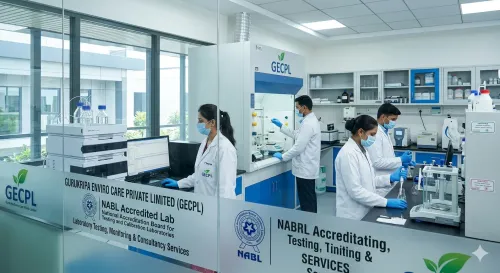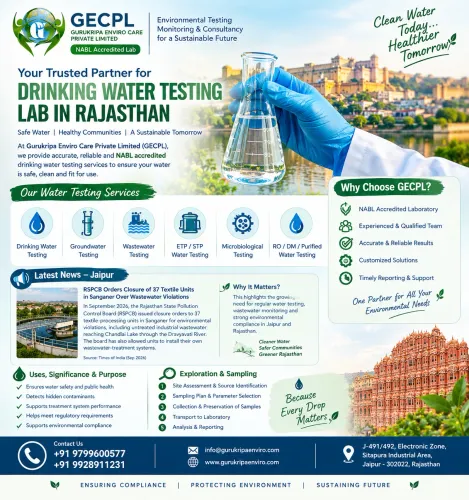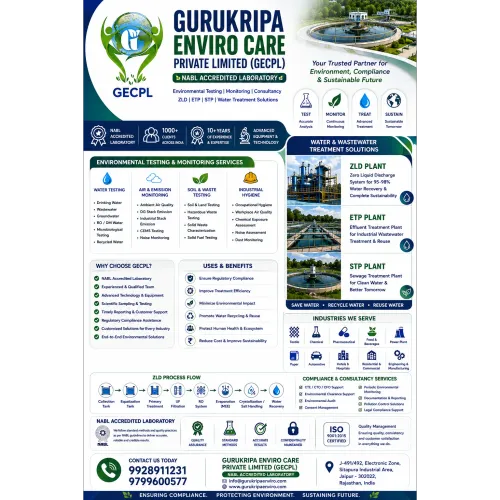
# Water testing is the process of analyzing # water quality by checking its # physical, # chemical, and # biological properties to ensure it is safe for its intended use—whether for # drinking, # industrial processes, # agriculture, or recreational purposes.
# Common Types of # Water Testing
# Drinking Water Testing
# Parameters tested:
# pH
# Total dissolved solids (TDS)
# Hardness (calcium and magnesium)
# Chlorine (free and total)
# Nitrates/nitrites
# Bacteria (e.g., E. coli, coliforms)
# Lead, arsenic, mercury (heavy metals)
# Fluoride
# Surface Water Testing (lakes, rivers, etc.)
• Looks at # pollution from runoff, # industrial discharge
# Parameters may include # biological oxygen demand (# BOD), # chemical oxygen demand (# COD),# turbidity, # nutrients (# nitrogen, # phosphorus)
# Wastewater Testing
• Ensures proper treatment before discharge
# Tests for pathogens, solids, BOD/COD, ammonia, nitrates, phosphates, etc.
# Groundwater Testing
• Important for wells or boreholes
• Checks for contamination from septic systems, fertilizers, heavy metals
# Pool/Hot Tub Water Testing
# Tests for pH, chlorine/bromine, alkalinity, calcium hardness, cyanuric acid
# Methods of Water Testing
• Test Strips: Quick, inexpensive, ideal for home use (basic parameters like pH, chlorine, etc.)
# Digital Meters: Handheld devices for parameters like pH, TDS, EC (electrical conductivity)
# Lab Testing: Most accurate; essential for detailed analysis including bacteria, heavy metals, and toxins
• DIY Water Test Kits: Provide a broader range of home-use testing options (color change methods)
# Why Water Testing Is Important
# Ensures safe # drinking water
# Monitors compliance with # environmental regulations
• Prevents health issues from contaminants
• Helps maintain # efficient industrial and agricultural systems
• Supports water conservation and # pollution prevention
If you tell me the purpose of your water testing (e.g., # drinking water,# irrigation, # swimming pool, etc.), # water testing lab in # Jaipur
Keywords