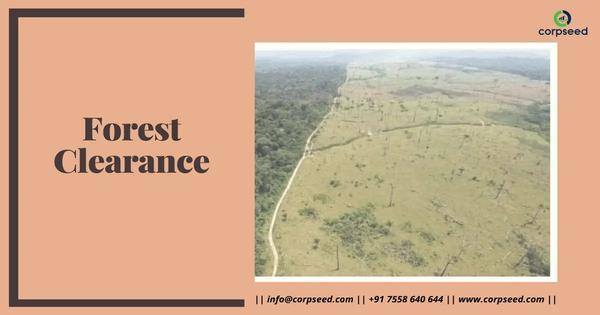
FOREST CLEARANCE
INR 90000
INR 100000

 Chat with us
Environmental Clearance (EC) is a mandatory regulatory process in India under the EIA Notification 2006 for mining, building construction, and industrial projects to ensure minimal environmental impact. Key Aspects of Environmental Clearance • Applicability & Categories: # Projects with major potential impacts require clearance from the Ministry of Environment, Forest & Climate Change (MoEF&CC). # Projects with smaller impacts require clearance from the State-Level Environment Impact Assessment Authority (SEIAA). • Mining Projects: o Requires approval based on lease area o Validity lasts for the project's life, up to 30 years. • Building & Construction Projects: o Projects spanning 20,000 to 150,000 sq. meters usually require appraisal, with some exceptions for smaller, low-impact developments. • Industrial Projects: o Many industrial projects require EIA reports and public consultation, depending on their pollution potential. • Validity and Compliance: o Mining: 30 years (extendable up to 50 years). o River Valley Projects: 10 years. o Industry/Construction: 10 years (previously 5 years). • Process Steps: o Screening: Determining if the project requires an EIA. o Scoping: Preparing Terms of Reference (ToR) for the EIA. o Public Consultation: Gathering local feedback. o Appraisal: Final review by Expert Appraisal Committee