Hi Friends,
Today we describe here about Stack Emission Monitoring services with complete description, Please have a look
Stack Emission Monitoring & Testing
Dear Friends, Stack Emission monitoring is also known as # Stack emission testing, # stack emission monitoring, # stack sampling, # Source Emission Monitoring or Source Testing. It is a process to measure the emission of industrial waste or pollutants emitted into the atmosphere. The pollutants emitted from the stack can be solid, gaseous, liquid organic or inorganic.
Important question is, What is Stack?
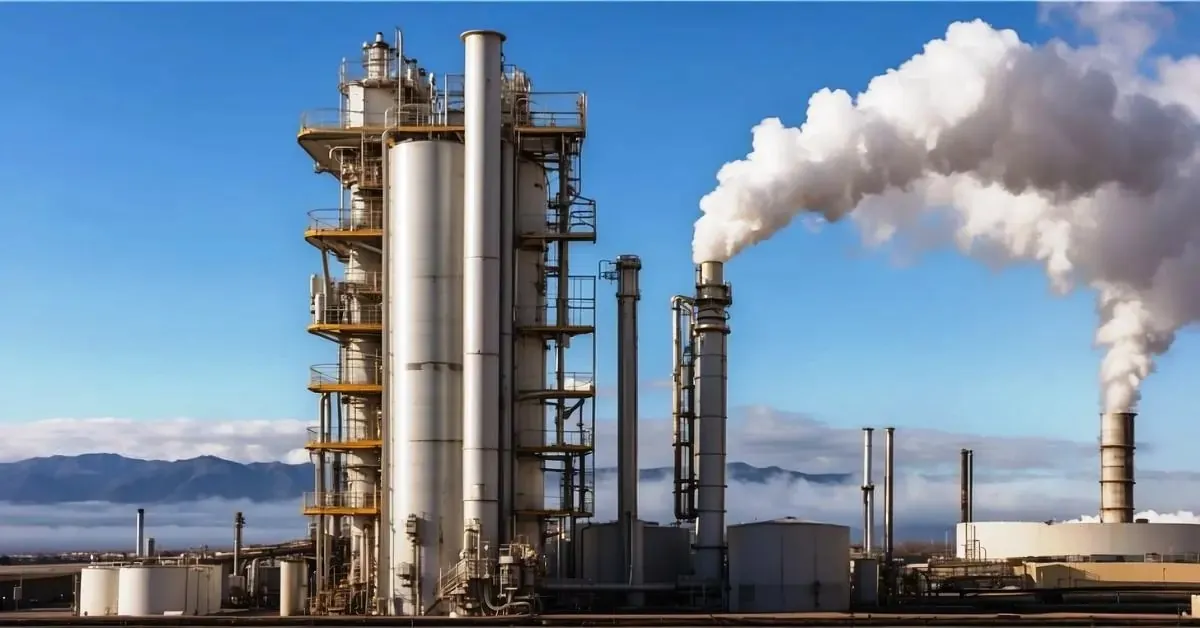
The stack is nothing but chimney which is used to disperse the hot air at a great height, emissions & particulate matters that are emitted from the various types of stacks like boiler, flue gas etc. At these heights, the polluted air disperses in a very large area so that concentrations at the ground are within permissible limits and not harmful for any human being or animals too.
There are several types of flue-gas stack based on fuel injections. Eg.
# DG set stack,
# flue gas stack,
# process stack,
# furnace stack,
# boiler stack and chimney etc.
CPCB guidelines for Stack Height
Chimney, Boiler, DG set, DG exhaust pipe etc. Stack height calculation plays an important role in determination of dispersion of pollutants in upper level of air relevant to local building height.
What is stack monitoring system?
Stack monitoring system used for detecting and measuring of harmful gases released into atmosphere from stack, chimneys, DG stacks, etc. Process involves sampling of gases from stack and monitor in real time to keep an eye on volume of gas emissions. And GECPL doing this job in very economical prices for our valuable customers.
How is stack monitoring performed?
Stack Emission monitoring procedure includes tasks of Measurement, testing, sampling and analysis. Onsite determination of physical parameters of flue gases such as temperature, flow and pressure also involved in Stack emission monitoring.
What is stack monitoring in air pollution?
Stack Monitoring is the process of testing the harmful gases emitted from stacks to keep a check on the pollutants released in the air. The top pollutants that stacks emit are Carbon Monoxide(CO), Oxides of Sulphur (SO2,SO3),Methane Gas, and oxides of Nitrogen i.e. SOx and NOx, and hydrocarbon compounds
What is the stack emission?
Stack emission is basically gases released into the air from boiler stack, chimneys or DG set stack etc. from various industries after incineration process i.e. method to remove or burn the harmful gases before releasing to environment.
What is stack in air pollution?
Stacks are large chimneys designed to emit and disperse hot air, particulate matter, and pollutants from industries into the upper atmosphere so that they do not create a danger to life on the ground. There are several types of stacks in use today, such as: Boiler stacks. Flue gas stacks, etc.
What devices are used to measure stack emissions?
There are many types of devices used in Stack emissions based on the objective. Most commonly used devices are:
1) Iso-Kinetic Sampling: Manual and Automatic
2) Pollutant Specific: PM 2.5 and PM10, Sulfuric acid, Dioxin Furan, Halogens and Halides etc. measurement instrument
3) Specific Gas Sampling Instruments: NOx, SO2, VOC, Flue Gas Analyzers, Electrochemical Sensor based analyzers, etc.
4) Metal Emission Sampling Instruments
5) Specific Parameters: Pressure, Flow, Temperature, Velocity, Relative Humidity measurement instruments
What is the importance of stack monitoring?
Stack monitoring is vital for assessing and controlling industrial air emissions, providing accurate data on the type and quantity of pollutants released into the atmosphere from industrial stacks.
This information is crucial for regulatory compliance, environmental impact assessments, and the development of effective pollution control strategies, contributing to the protection of air quality and public health.
What are the parameters for Stack Monitoring?
Stack monitoring involves the measurement of various parameters to assess industrial emissions accurately. Key parameters include pollutants such as sulfur dioxide (SO2), nitrogen oxides (NOx), particulate matter (PM), carbon monoxide (CO), and volatile organic compounds (VOCs), ensuring a comprehensive understanding of the environmental impact of industrial activities and facilitating regulatory compliance.
We hope that now after reading all this notes, every one clearly know that why we regularly want to properly monitor the stack emission in every industries to save the human life and make it more better for furure
Thanks
Keywords