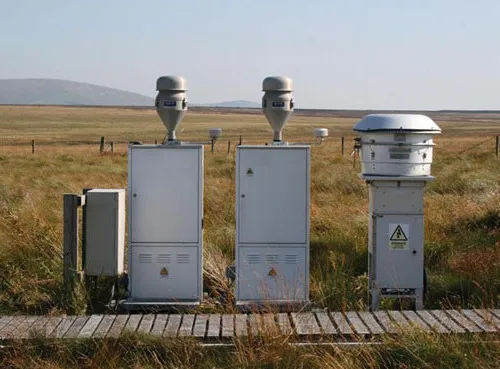
Ambient air testing and air pollution testing are crucial for monitoring and managing air quality. Here's an overview:
_What is Ambient Air Testing?_
Ambient air testing involves measuring the quality of the air in a specific area, typically outdoors. It assesses the levels of various pollutants, such as:
# Particulate matter (PM2.5, PM10)
# Gases (NO2, SO2, CO, O3)
# Volatile organic compounds (VOCs)
_Why is Ambient Air Testing Important?_
# Public Health_: Air pollution can cause respiratory problems, cardiovascular diseases, and other health issues.
# Environmental Monitoring_: Ambient air testing helps track changes in air quality over time and identifies sources of pollution.
# Regulatory Compliance_: Many countries have laws and regulations governing air quality standards.
_Methods of Ambient Air Testing_
# Passive Sampling_: Uses samplers that absorb pollutants over a period.
# Active Sampling_: Involves pumping air through a sampler to collect pollutants.
# Continuous Monitoring_: Uses automated instruments to measure pollutant levels in real-time.
_Applications of Ambient Air Testing_
# Urban Air Quality Monitoring_: Assessing air quality in cities to inform policy decisions.
# Industrial Site Monitoring_: Monitoring air quality around industrial sites to ensure compliance with regulations.
# Research Studies_: Investigating the impact of air pollution on human health and the environment.
_Benefits of Ambient Air Testing_
1. _Improved Public Health_: By identifying areas with poor air quality, targeted interventions can be implemented.
2. _Informed Policy Decisions_: Data from ambient air testing informs policy decisions on air quality management.
3. _Increased Awareness_: Ambient air testing raises awareness about air pollution and its impact on human health.
Would you like more information on ambient air testing or air pollution management? Please feel free to call at 9799600577
For Gurukripa Enviro Care Pvt Ltd
🙏🙏
_What is Ambient Air Testing?_
Ambient air testing involves measuring the quality of the air in a specific area, typically outdoors. It assesses the levels of various pollutants, such as:
# Particulate matter (PM2.5, PM10)
# Gases (NO2, SO2, CO, O3)
# Volatile organic compounds (VOCs)
_Why is Ambient Air Testing Important?_
# Public Health_: Air pollution can cause respiratory problems, cardiovascular diseases, and other health issues.
# Environmental Monitoring_: Ambient air testing helps track changes in air quality over time and identifies sources of pollution.
# Regulatory Compliance_: Many countries have laws and regulations governing air quality standards.
_Methods of Ambient Air Testing_
# Passive Sampling_: Uses samplers that absorb pollutants over a period.
# Active Sampling_: Involves pumping air through a sampler to collect pollutants.
# Continuous Monitoring_: Uses automated instruments to measure pollutant levels in real-time.
_Applications of Ambient Air Testing_
# Urban Air Quality Monitoring_: Assessing air quality in cities to inform policy decisions.
# Industrial Site Monitoring_: Monitoring air quality around industrial sites to ensure compliance with regulations.
# Research Studies_: Investigating the impact of air pollution on human health and the environment.
_Benefits of Ambient Air Testing_
1. _Improved Public Health_: By identifying areas with poor air quality, targeted interventions can be implemented.
2. _Informed Policy Decisions_: Data from ambient air testing informs policy decisions on air quality management.
3. _Increased Awareness_: Ambient air testing raises awareness about air pollution and its impact on human health.
Would you like more information on ambient air testing or air pollution management? Please feel free to call at 9799600577
For Gurukripa Enviro Care Pvt Ltd
🙏🙏
Keywords