1. 💧 Micro Water Testing Services
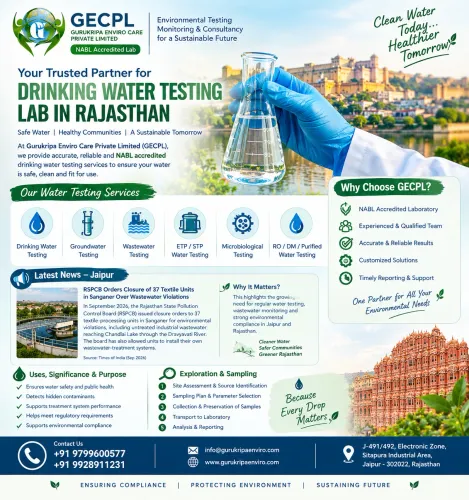
"# Micro Water Testing" primarily refers to the analysis of water quality, focusing on microbiological, chemical, and physical parameters to ensure it is safe for its intended use (drinking, industrial processes, medicinal purposes, etc.). These tests are crucial for regulatory compliance (e.g., IS 10500, WHO, EPA standards).
Key Services Offered:
Microbiological Parameters:
# Pathogen Detection: Testing for harmful microorganisms such as E. coli, Total Coliforms, Faecal Coliforms, Salmonella, Pseudomonas aeruginosa, Vibrio cholerae, and other pathogens that cause waterborne diseases.
# Total Plate Count (TPC): Measures the overall bacterial load in a sample.
Bioassays: Assessing the toxicity or impact of water on living organisms.
# Chemical and Inorganic Parameters:
# Heavy Metals: Screening for toxic elements like Lead (Pb), Mercury (Hg), Arsenic (As), Cadmium (Cd), etc., which can be harmful even in trace amounts.
Basic Chemistry: Testing parameters such as \text{pH}, Hardness, Alkalinity, Sodium, Potassium, Chlorides, and Fluorides.
# Nutrients and Demands: Analysis for Biological Oxygen Demand (BOD), Chemical Oxygen Demand (COD), and Total Organic Carbon (TOC), crucial for wastewater and environmental monitoring.
# Physical and Organoleptic Parameters:
Sensory Tests: Colour, Odour, and Taste.
Turbidity and Total Dissolved Solids (TDS).
Specialized Water Analysis: Testing for packaged drinking water, ground/surface water, process water for industries, swimming pool water, and water used for medicinal purposes (e.g., Distilled/Demineralised Water).
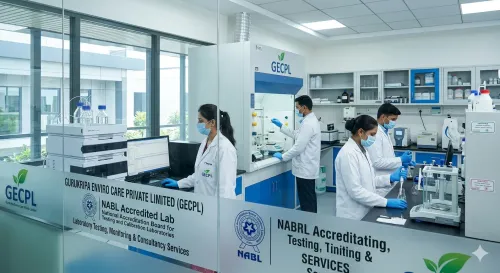
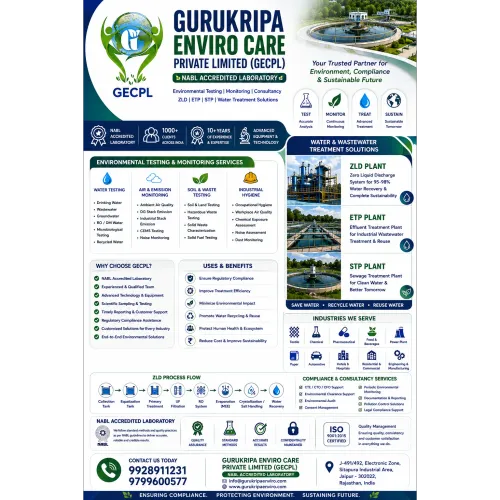
Accreditation, often by bodies like NABL (National Accreditation Board for Testing and Calibration Laboratories) under the ISO/IEC 17025 standard, is a hallmark of a reliable facility.
Keywords