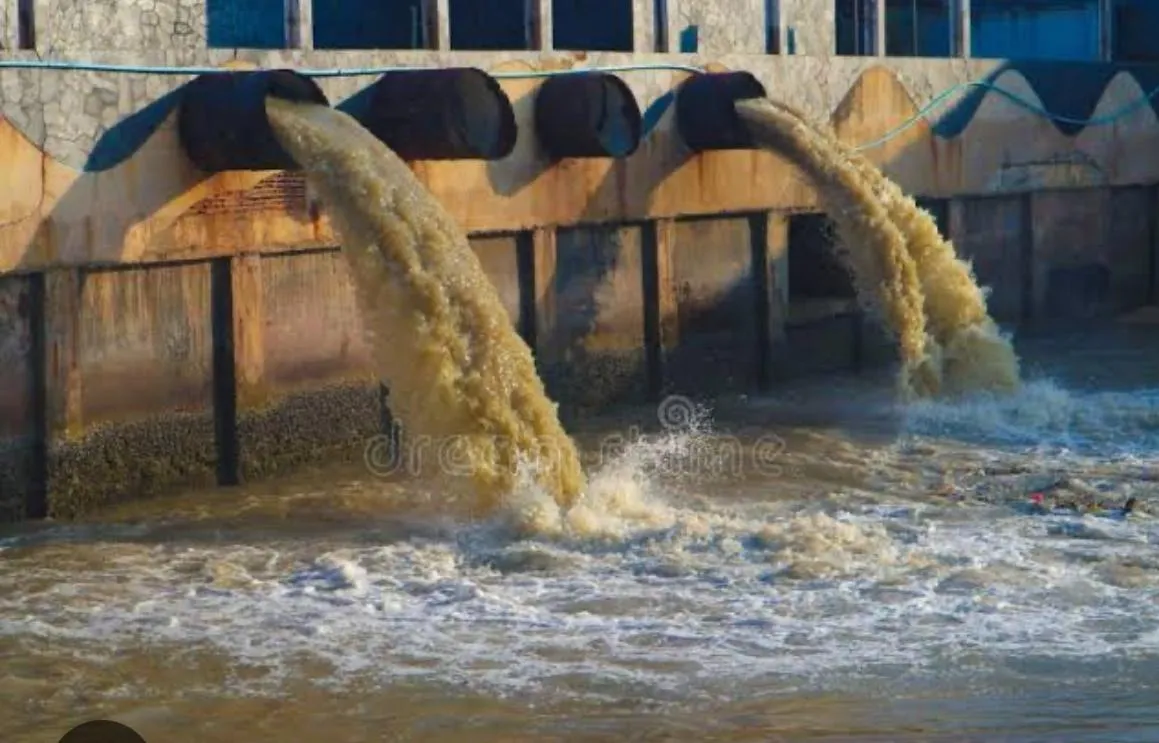
# Water pollution is the contamination of # water bodies (like rivers, lakes, oceans, aquifers, and groundwater) by harmful substances, often due to human activities. This pollution makes water unsafe for # drinking water , # swimming water , # agriculture water , and other essential uses.
Major Causes of Water Pollution:
# Industrial Waste:
# Factories release pollutants such as heavy metals, toxic chemicals, and organic waste into water bodies.
# Example: # Mercury from mining or dyes from textile industries.
# Agricultural Runoff:
# Pesticides, # herbicides, and # fertilizers wash off fields during rains, contaminating nearby streams and rivers.
# Leads to nutrient # pollution, #causing algal blooms.
# Sewage and # Wastewater:
# Untreated or poorly # treated sewage # discharged into water spreads diseases and reduces oxygen levels.
# Carries bacteria, # viruses, and parasites.
# Oil Spills:
• Accidental leaks from ships and drilling operations can severely damage marine ecosystems.
# Plastic and Solid Waste:
# Plastics take hundreds of years to decompose and often end up in oceans, harming marine life.
# Urban Runoff:
# Rainwater running off roads, buildings, and parking lots collects oil, garbage, and other pollutants.
Effects of # Water Pollution:
# Health Hazards:
• Causes diseases like cholera, typhoid, and dysentery.
• Long-term exposure to contaminated water may lead to cancer, neurological disorders, or reproductive issues.
• Ecosystem Damage:
• Kills aquatic animals and plants.
• Disrupts the food chain and leads to loss of biodiversity.
• Economic Impact:
• Affects fisheries, agriculture, and tourism.
• Increases the cost of water treatment and healthcare.
Solutions and Prevention:
# Wastewater Treatment:
# Ensuring sewage and # industrial waste are treated before being released into water bodies.
# Sustainable Agriculture:
# Reducing the use of chemical fertilizers and pesticides.
• Using natural alternatives like compost and integrated pest management.
• Plastic Reduction:
• Minimizing single-use plastics and promoting recycling.
• Stronger Regulations:
• Enforcing laws on waste disposal and pollution limits.
• Public Awareness:
• Educating communities about the importance of water conservation and pollution prevention.
Conclusion:
Water pollution poses a serious threat to health, ecosystems, and economies. Tackling it requires a joint effort by governments, industries, and individuals through stricter regulations, better waste management, and responsible water use.
Would you like this formatted as a school project, presentation, or infographic?
Keywords